Bladder Training

Start with a Diary

  • Maintain a diary to track bathroom visits, how much urine you pass, fluid intake, medications, and instances of leakage.

Stick to a Schedule

  • Follow a bathroom schedule and gradually increase the time between trips to train your bladder.
  • Resist the urge to go too often to avoid worsening symptoms

Simple Distraction Techniques

  • Use positive distraction by relaxing and focusing on something else, while telling yourself to wait a few minutes before going
  • Adjust your body posture by leaning forward and doing pelvic floor exercises to help control the urge

Diet

  • Certain foods can aggravate your bladder, but others may help to stop frequent urination caused by an Overactive Bladder
  • Discover which foods to include and avoid for an overactive bladder.

Avoid

Caffeinated drinks such as coffee, energy drinks, and teas

Acidic fruit juices, especially orange, grapefruit, and tomato

Carbonated beverages

Drinks with artificial sweeteners, such as aspartame and saccharin, which may irritate the bladder

Spicy foods

Try This…

Herbal tea or dandelion Coffee

Eat more fruits that are less acidic, such as pears or blueberries

Water or fresh pressed juices

Natural sweeteners like raw honey or maple syrup

Green Leafy Vegetables (lettuce, cucumber, squash, potatoes, broccoli)

Fluid Management

Drink Enough Fluid

Don't drink less out of fear of Urine leakage Drinking regularly is important for bladder training

Limit drinks before bedtime

Limit fluid intake to 6-8 glasses of water daily, and avoid drinking 2-3 hours before going to bed at night.

Avoid certain drinks

Coffee, tea, and alcohol make you produce more urine. It's best to avoid them before sleep or when you'll be out for a long time.

Set reminders

Use a timer to stay on track with your drinking

Healthy drinking habits

Try having 1-2 glasses of water with or before meals. Juices are okay between meals.

Pelvic Floor Muscle Therapy

Pelvic poor muscle therapy (PFMT) : has been shown to improve urinary incontinence symptoms. PFMT involves improving pelvic floor control and muscle strength, and reducing urgency sensations .Following is step-by-step guide of exercise to strengthen the muscles of Pelvic Floor:
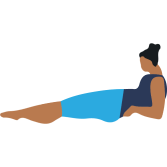
First, locate your pelvic floor muscles

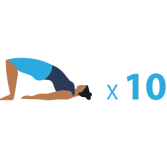
Try to repeat this 10 times. X 10 This is called a set

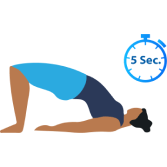
As you gain strength, try increasing these numbers ... for example, hold and relax for 5 seconds each.

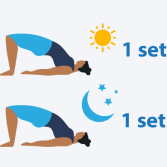
Do one set in the morning and one set at night

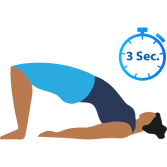
Start by tightening your pelvic Floor muscles for 3 seconds, then relaxing for 3 seconds. This is one Kegel

Weight Management

  • Losing Weight Helps:Losing 5% or more of your weight can reduce bladder leaks and improve your daily life
  • Belly fat affects your bladder:Extra weight around your stomach puts pressure on your bladder, which can cause more leaks and urgency.
  • Weight Loss reduces Cough-Induced Leakage:Losing weight can help reduce the pressure on your bladder, especially when you cough. It also helps your bladder stay in place and work better (urethral axial mobility).
  • More weight increases risk:Losing weight can help reduce the pressure on your bladder, especially when you cough. It also helps your bladder stay in place and work better (urethral axial mobility).
  • Improvement in quality of life:Weight loss can lead to significant improvements and quality of life.

Quit Smoking

  • If you're a smoker and sugar from an overactive bladder,quitting smoking can significantly improve your condition.

Here are some reasons to consider quitting:

  • Symptom improvement

  • Research suggests that quitting smoking can lead to a reduction in overactive bladder symptoms, such as urgency and frequency of urination

  • Enhanced bladder health

  • By quitting smoking, you will allow your bladder to heal and recover from the damage caused by cigarette toxins. This can lead to a healthier bladder and improved bladder function